

As the African Continental Free Trade Area (AfCFTA) begins to shape the economic landscape of Africa, it’s becoming increasingly clear that the mining sector is set to benefit as the removal of trade barriers across the continent can unlock immense opportunities for collaboration, growth and innovation in the mineral processing and metallurgical industries. With Africa’s vast mineral wealth, cross-border partnerships and skill-sharing initiatives will become key drivers of industrial growth.
Against this backdrop, MetSop is stepping forward to expand its metallurgical services into Zimbabwe, providing innovative solutions tailored to meet the local mining industry’s specific challenges. The strategic expansion comes as part of MetSop’s vision to revolutionise mineral processing across the continent, aligning perfectly with AfCFTA’s goals of promoting intra-African trade and economic integration.
MetSop has built a strong reputation as a leader in the metallurgical services space, offering cutting-edge solutions to some of the most complex mineral processing challenges across Southern Africa. Known for its expertise in process design, optimisation and research and development (R&D), MetSop is setting new standards in operational efficiency, sustainability and cost-effectiveness.
With its expansion into Zimbabwe MetSop seeks to bring this same level of excellence to local mining operations, focusing on both economic and environmental sustainability. Zimbabwe, a country rich in Platinum Group Metals (PGMs) such as platinum, palladium, rhodium and iridium, faces unique challenges in mineral processing, which MetSop is well-equipped to address.
At the helm of MetSop’s success are co-CEOs Ipfi Manenzhe and Marcus Manyumwa, whose collaborative leadership model has been a driving force behind the company’s growth. Their vision has been instrumental in MetSop’s ability to pivot and innovate, ensuring the company remains at the forefront of the metallurgical services industry. Ipfi, a business strategist with deep insights into the African mining landscape, and Marcus, a seasoned metallurgist, have combined their expertise to create a synergy that is both forward-thinking and results-driven.
Their leadership is rooted in a shared belief in the power of partnerships—whether it’s working with clients to solve operational challenges or engaging in research collaborations that push the boundaries of metallurgical science. This approach has enabled MetSop to develop innovative reagent technologies and flotation techniques that can significantly reduce operational costs for mining companies while improving concentrate grades and recovery rates.
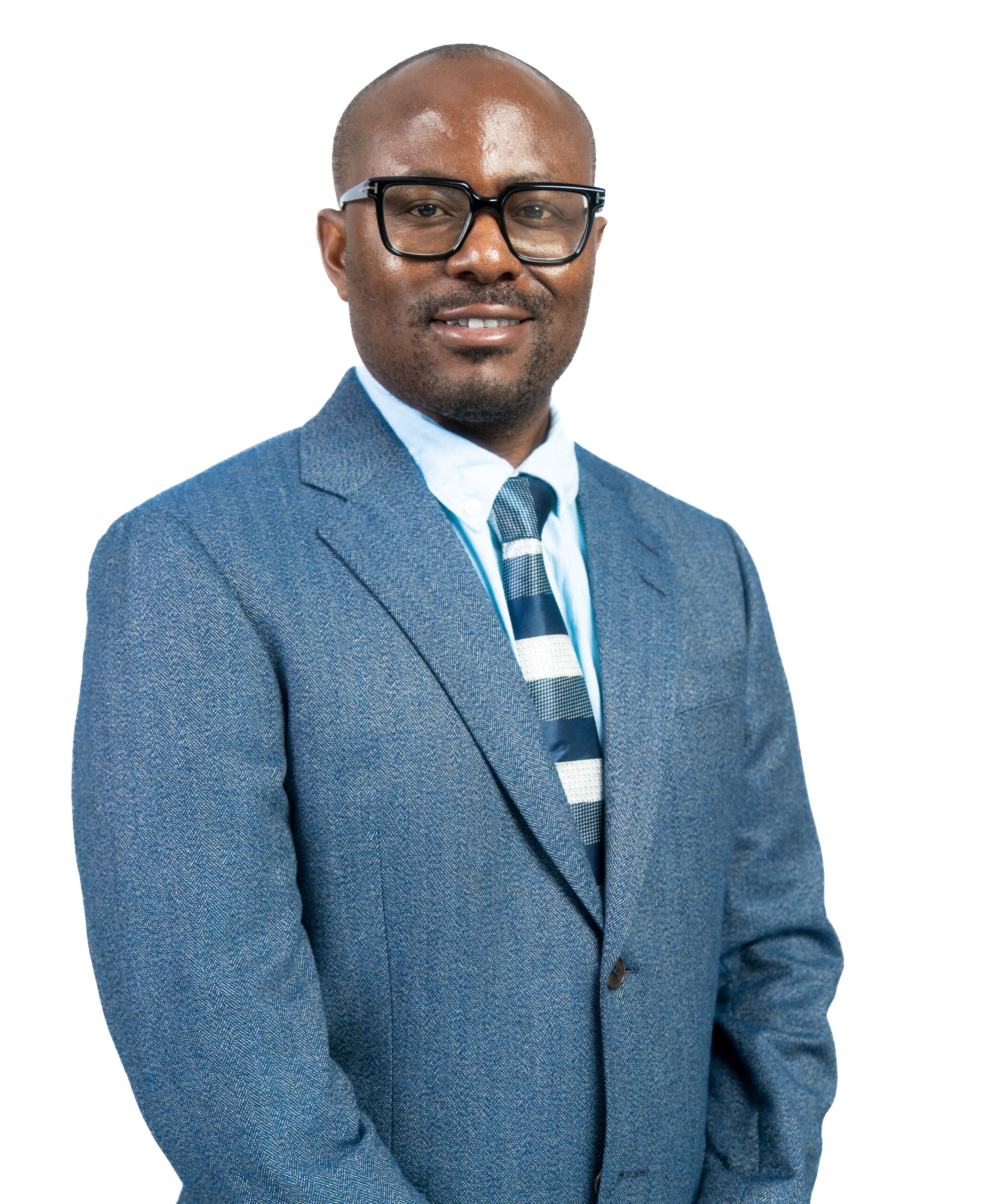
A key pillar of MetSop’s success is its commitment to R&D, spearheaded by Dr. Liberty Chipise, a fellow Zimbabwean with a deep understanding of the country’s mining sector. Dr. Chipise leads a dynamic team of metallurgists and researchers, focused on developing tailored solutions for local mining challenges, such as aging infrastructure, power supply instability and high reagent costs.
Dr. Chipise, who grew up in Zimbabwe, often speaks about how his formative years in the country instilled in him a passion for innovation and problem-solving. “Growing up in Zimbabwe during my formative years was a privilege, as the country had a high happiness index and a strong education system that shaped many of us into high-calibre scientists and engineers,” he says. “The challenges we encountered later in life fostered the resilience and tenacity required to tackle complex scientific and engineering problems.”
Under his leadership, MetSop has been developing cost-effective and environmentally friendly flotation reagents specifically designed for the Zimbabwean context. These reagents are tailored to enhance performance, reduce operational costs, and support sustainable mining practices—a necessity in an industry that is increasingly being scrutinised for its environmental footprint.
Zimbabwe’s mining industry is ripe for innovation. While the country is rich in mineral resources, many of its mining operations are still reliant on traditional reagents that have been proven to be less efficient and more costly. MetSop sees an opportunity to introduce its advanced reagent technology to help mines save on operational costs and improve efficiencies.
“MetSop sees the need to add value into the mining sector in Zimbabwe as most mines have been using traditional reagents, which have been proven not to be that cost-effective,” says Marcus. “We want to implement our reagent technology to help the mines save on their operational costs and improve efficiencies.”
This expansion also brings the potential for skills transfer. As part of its business development strategy, MetSop aims to upskill local metallurgists and mining engineers, providing them with access to advanced technologies and innovative methodologies. The company’s R&D team, led by Dr. Chipise, is keen on collaborating with local research institutions to nurture the next generation of metallurgists who will be critical in pushing Zimbabwe’s mining sector forward.
The mining sector in Zimbabwe is not without its challenges. Power supply instability, high reagent costs, declining ore grades and aging infrastructure are all significant hurdles that mining companies face. Moreover, currency volatility and strict environmental regulations add another layer of complexity.
However, these challenges also present opportunities for innovation. With MetSop’s tailored solutions, the company is confident that it can play a pivotal role in enhancing the efficiency of local mining operations. The introduction of cost-effective and eco-friendly reagents will help mining companies reduce their operational expenses while improving their output—an essential factor for long-term sustainability.
MetSop’s expansion into Zimbabwe is a testament to its commitment to excellence and innovation in the mining sector. With AfCFTA unlocking new trade opportunities and the company’s leadership, R&D and tailored solutions, MetSop is well-positioned to transform the way mineral processing is conducted in Zimbabwe.
As the company continues to grow, its focus on sustainability, cost-effectiveness and skills transfer will ensure that its impact is felt not just in Zimbabwe, but across Africa. The partnership between Ipfi, Marcus and Dr. Chipise is a formidable one, and together, they are charting a course for a more efficient, innovative, and inclusive mining industry across the continent.